Learn how to prep your skin, choose the right tools, and master a shaving routine that reduces irritation, bumps, and razor burn.
Why Your Shave Probably Feels Worse Than It Should
If your daily shave leaves you with redness, stinging, or tiny nicks, you’re not alone. Many men rush through shaving with the wrong tools, poor technique, and little to no skin prep. The good news? A smooth, comfortable shave isn’t about having “perfect” skin – it’s about following a simple, consistent routine that works with your beard growth, not against it.
This ultimate shaving guide walks you through everything you need to know: from understanding your beard type and skin sensitivities, to choosing the right razor and products, to mastering a step-by-step shaving routine that actually feels good.
Step 1: Know Your Skin and Beard Type
Before you pick up a razor, it helps to understand what you’re working with. Your skin type and beard texture will influence which products and tools give you the best results.
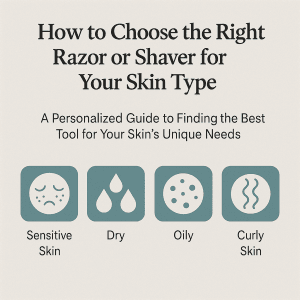
Common Skin Types
- Normal skin: Rarely feels tight or oily. Most products work well.
- Dry skin: Feels tight after washing, may flake or look dull. Needs extra moisture and gentle products.
- Oily skin: Shiny T-zone, prone to clogged pores. Benefits from lightweight, non-greasy formulas.
- Sensitive skin: Easily irritated, stings or reddens quickly. Needs fragrance-free, soothing, and alcohol-free products.
- Combination skin: A mix of oily and dry areas. Often oily forehead/nose, drier cheeks.
Beard Density and Hair Texture
Your facial hair type matters just as much as your skin.
- Light beard growth: Sparse or fine hair. You may get away with less frequent shaving or milder razors.
- Medium beard growth: Average thickness and coverage. Most standard razors and trimmers will work well.
- Heavy beard growth: Dense, coarse stubble that grows quickly. Requires sharper blades, good lubrication, and proper prep.
- Curly or tightly coiled hair: Higher risk of ingrown hairs and razor bumps, especially on the neck.
Take note of any areas that get red, bumpy, or sore after shaving – especially on the neck and jawline. These “trouble spots” need extra care and a gentler approach.
Step 2: Proper Pre-Shave Prep (Don’t Skip This)
The biggest difference between a rough shave and a comfortable one is what happens before the razor touches your face. Good prep softens the hair, protects the skin, and helps the blade glide more easily.
Start With Warm Water
- Shave after a warm shower whenever possible – steam softens your beard and opens pores.
- If you’re not showering first, rinse your face thoroughly with warm (not scalding) water for at least 30–60 seconds.
Cleanse Your Skin
Use a gentle face wash to remove oil, sweat, and dirt. This helps prevent clogged pores and reduces the chance of razor drag.
- Avoid harsh bar soap that can strip your skin and make it feel tight.
- Look for a mild cleanser suitable for your skin type (especially important for sensitive or dry skin).
Optional but Helpful: Pre-Shave Products
If you have coarse hair or sensitive skin, a pre-shave product can make a noticeable difference.
- Pre-shave oil: Adds an extra layer of lubrication, helping the razor glide and reducing tugging.
- Pre-shave gel or lotion: Light formulas that condition hair and prepare the skin.
Step 3: Choose the Right Razor and Tools
There’s no single “best” razor for everyone. The right choice depends on your comfort level, shaving style, and skin sensitivity.
1. Manual Razor Options
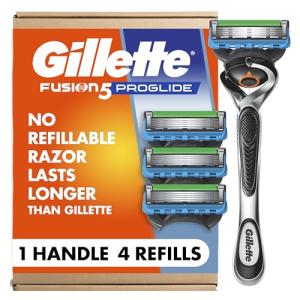
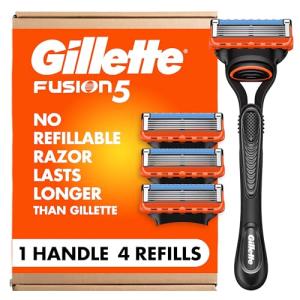
- Cartridge razors: Multi-blade cartridges with a pivoting head are convenient and easy to use. Great for beginners and fast shaves, but can sometimes cause irritation if you press too hard or make too many passes.
- Safety razors (DE razors): Single, replaceable double-edge blade in a metal handle. They offer excellent control and can reduce irritation when used correctly, but require a bit more technique.
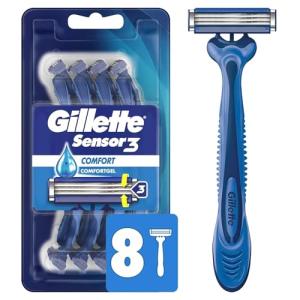
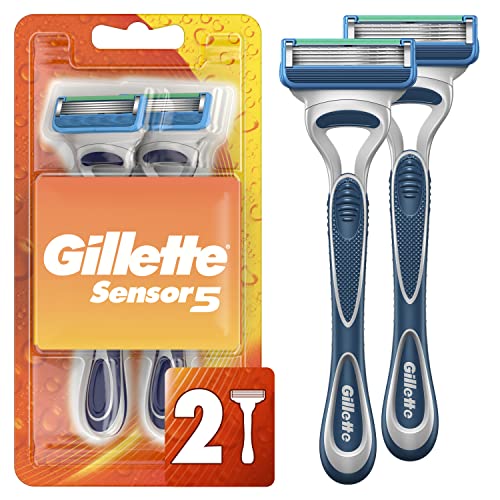
- Disposable razors: Handy for travel or emergency use, but usually lower quality. Fine for occasional use, but not ideal for daily shaving.
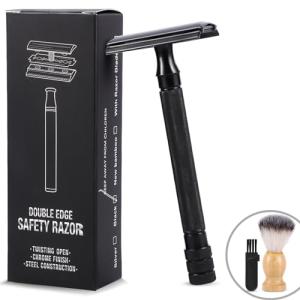
Double Edge Manual Razor with Shaving Brush
Get a close, comfortable shave with this classic tool and a quality brush to lather up perfectly every time
Product information
€6.87
Product Review Score
4.39 out of 5 stars
80 reviewsProduct links
2. Electric Shavers
- Foil shavers: Best for straight, back-and-forth strokes. Good for close shaves on flatter areas like cheeks.
- Rotary shavers: Circular heads that work well around contours such as the chin and neck. Often better for flexible, multi-directional shaving.
- Many modern electric shavers support both dry and wet shaving with gel or foam for added comfort.
Not sure if the Philips 7000 is right for you? Browse our curated Electric Shavers category for more options that suit your skin and budget.
Need traditional tools instead? Explore tried-and-true grooming gear in our Men’s Shaving collection.

5-in-1 Electric Shaver for Men and Women
Enjoy a smooth, hassle-free shave with versatile features for every grooming need
Product information
€37.83 €32.15
Product Review Score
4.78 out of 5 stars
22 reviewsProduct links
3. Brushes and Lathering Tools
A shaving brush can transform your shave:
- Helps lift and separate hair for a closer cut.
- Works shaving cream or soap into a rich, protective lather.
- Gently exfoliates the skin to reduce ingrown hairs.
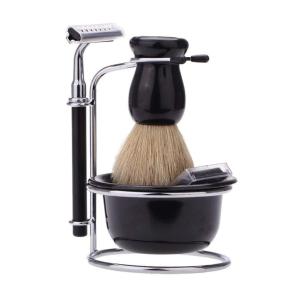
Men's Shaving Brush Set with Stand and Bowl
Upgrade your shaving game with this complete brush set that makes lathering a breeze
Product information
€16.11 €13.42
Product Review Score
4.38 out of 5 stars
207 reviewsProduct links
Step 4: Use the Right Shaving Cream, Gel, or Soap
Your lather is your skin’s main protection against the blade. The goal is a slick, cushioning layer – not a thin, drying foam.
What to Look For
- Lubrication: Ingredients like glycerin help the razor glide more smoothly.
- Cushion: A dense lather protects against nicks and cuts.
- Skin-friendly formula: Alcohol-free and fragrance-light options are best for sensitive skin.
How to Apply
- Start with a damp (not dripping) face or pre-moistened area.
- Apply a small amount of cream or gel to your fingertips or brush.
- Work it into your beard in circular motions until you have an even layer.
- Add a bit of water if the lather feels too thick or dry.
Step 5: Master Your Shaving Technique
Technique is where most men go wrong. Pressing too hard, going too fast, or shaving against the grain on the first pass leads straight to irritation.
Shaving With a Manual Razor
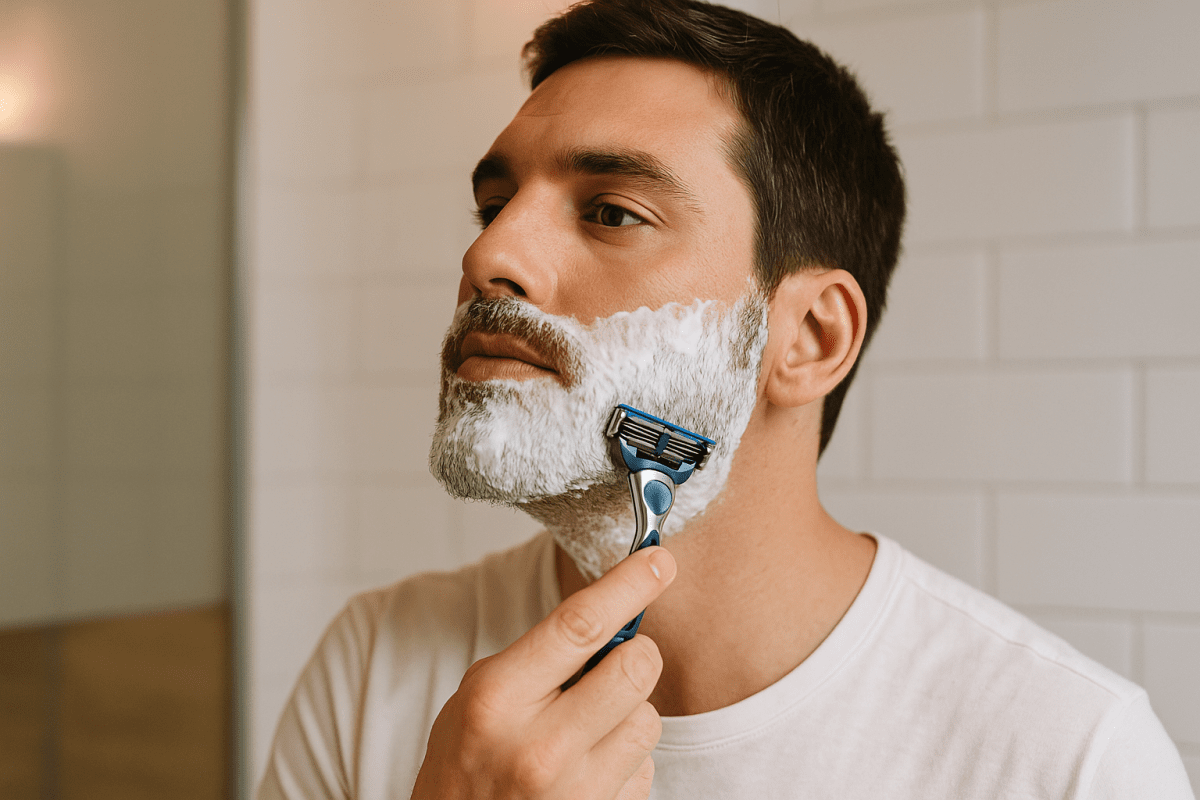
- Shave with the grain first: Follow the natural direction your hair grows (usually downward on the cheeks, varied on the neck).
- Use short, light strokes: Let the razor do the work. Don’t force it or drag it aggressively.
- Rinse the blades often: After every few strokes, rinse under warm water to remove hair and cream.
- Re-lather between passes: Never shave the same area again without fresh lubrication.
- Optional second pass across the grain: For a closer result, you can shave gently across the grain (sideways) once your skin is used to shaving.
- Avoid against the grain if you’re prone to irritation: Shaving directly against the grain can cause razor burn and ingrown hairs, especially on the neck.
Shaving With an Electric Shaver
- Make sure your device is clean and charged for consistent power.
- For foil shavers, move in straight, overlapping strokes.
- For rotary shavers, use gentle circular motions, covering all directions.
- Use minimal pressure – pressing harder doesn’t give a closer shave; it just irritates the skin.
- If using a wet/dry model, try a light shaving gel or foam for extra comfort.
Step 6: Take Extra Care on Sensitive Areas
Most men have trouble spots – often the neck, under the jawline, or around the mouth. These areas deserve slower strokes and more attention.
- Use extra lather on the neck and jaw where hair often grows in multiple directions.
- Shave the upper lip and chin last, giving the cream more time to soften the hair.
- Stretch the skin gently with your free hand for a smoother surface.
- Avoid repeatedly going over the same patch – that’s a fast way to cause razor burn.
Step 7: Post-Shave Care to Prevent Razor Burn and Irritation
What you do after shaving matters just as much as the shave itself. Good post-shave care can calm the skin and prevent redness, bumps, and tightness.
Rinse and Soothe
- Rinse your face with cool water to remove any remaining cream and close the pores.
- Pat your skin dry gently with a clean towel – don’t rub aggressively.
Apply Aftershave or Balm
Choose products that match your skin’s needs:
- For sensitive or dry skin: Use an alcohol-free, soothing balm with hydrating ingredients.
- For normal or oily skin: A light lotion or gel can refresh without feeling heavy.
- Look for ingredients such as aloe, chamomile, or hyaluronic acid for extra comfort.
Hydrate Your Skin
If your face still feels tight, apply a gentle moisturizer after your aftershave has absorbed. Well-hydrated skin is less prone to irritation over time.
Step 8: Common Shaving Problems and How to Fix Them
Razor Burn
Symptoms: Redness, stinging, and a burning sensation after shaving.
Tips:
- Use a sharp blade and avoid pressing down.
- Improve your pre-shave routine with warm water and proper lather.
- Limit the number of passes over the same area.
- Switch to a gentler, alcohol-free aftershave.
Razor Bumps and Ingrown Hairs
Symptoms: Small, raised bumps that can be itchy or sore, often where hair is curly or coarse.
Tips:
- Avoid shaving against the grain, especially on the neck.
- Exfoliate gently a few times per week to help prevent hairs from curling back into the skin.
- Use lighter pressure and fewer passes.
- Consider an electric shaver if manual shaving consistently causes problems.
Frequent Nicks and Cuts
Tips:
- Replace dull blades regularly – they tug and catch easily.
- Don’t rush; shave in controlled strokes.
- Use more lather, especially in bony areas like the chin.
- If you cut yourself, clean the area and apply a styptic pencil or tissue until bleeding stops.
Step 9: Look After Your Razor and Tools
Clean tools don’t just last longer – they also give you a smoother, more hygienic shave.
- Rinse blades thoroughly during and after the shave to remove hair and cream.
- Store razors in a dry place to reduce rust and bacteria buildup.
- Change cartridges or blades regularly according to how coarse your hair is and how often you shave.
- Clean electric shavers according to the manufacturer’s instructions, including periodic deep cleaning.
Step 10: Build a Shaving Routine That Works for You
The perfect shave isn’t necessarily the closest; it’s the one that keeps your skin comfortable and looking its best. Use this simple framework and adjust based on how your skin responds:
- Warm water rinse or shower.
- Gentle facial cleanse.
- Optional pre-shave oil or lotion.
- Apply quality shaving cream, gel, or soap.
- Shave with the grain using light strokes.
- Optional second pass across the grain if needed.
- Cool water rinse and gentle pat dry.
- Apply soothing aftershave or balm.
- Moisturize if skin feels dry or tight.
Stick with a consistent routine for a couple of weeks before making big changes – it can take time for your skin to adjust to better habits.
Frequently Asked Shaving Questions
How often should I shave?
It depends on your beard growth and preference. Some men shave daily, others every 2–3 days. If your skin is sensitive, giving it a day off between shaves can help.
Is a closer shave always better?
Not necessarily. Very close shaves can increase the risk of ingrown hairs and irritation, particularly if you have curly or coarse hair. Aim for a comfortable, even result instead of chasing absolute smoothness at any cost.
When should I replace my razor blade?
Replace blades as soon as you feel tugging, dragging, or see signs of rust. For many men, this means every 5–7 shaves with a cartridge, but it varies with beard thickness and frequency.
Is it better to shave before or after a shower?
Shaving after a warm shower is often more comfortable because the hair is softer and the skin is hydrated. If you prefer shaving first, spend extra time rinsing with warm water and prepping your skin.